
Islamic Music
- bukhariy
- May 11, 2020
- 2 min read
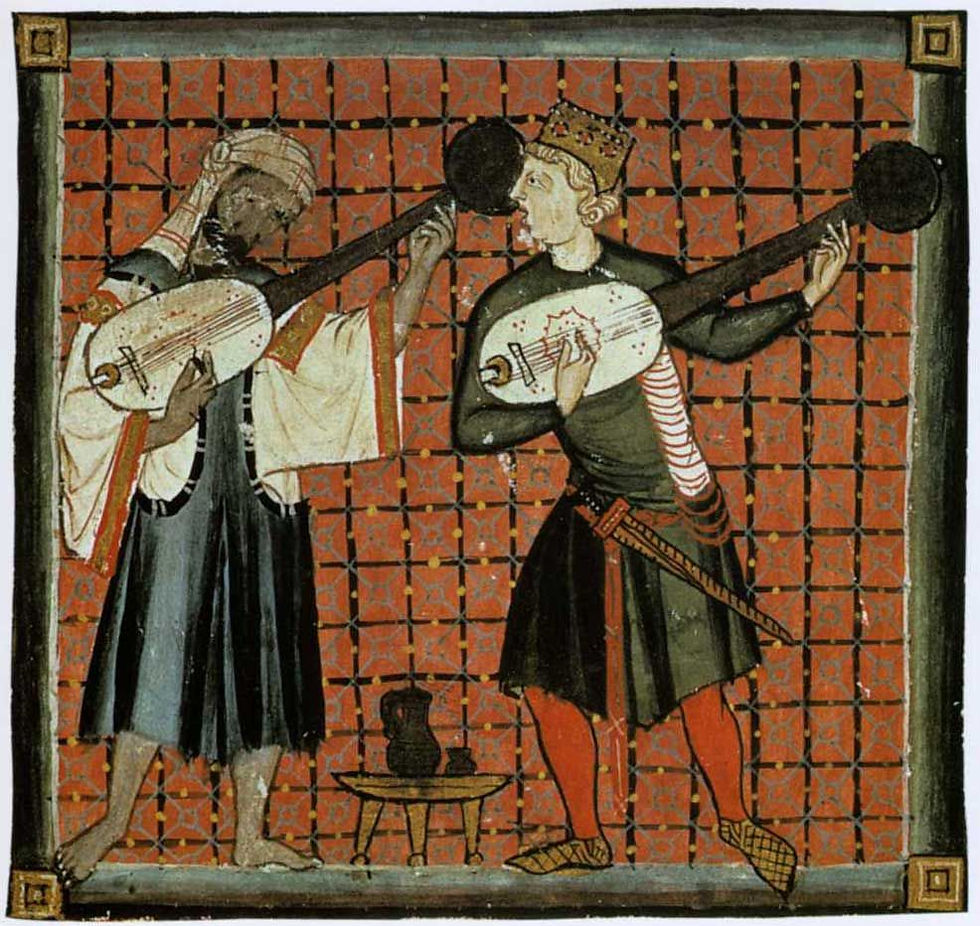
When Islam began (about 610 AD in Arabia), Classical Islamic Music began also. This music was born out of another musical tradition, that of the Bedouin tribes. The Bedouins were Arabs who lived and travelled across the desert herding animals. They would have poet- musicians (often women), who were said to be graced with supernatural powers. People both feared and respected them, and they would send them to accompany their warriors through the desert as their songs were thought to act like charms against evil spirits.
Islamic Music was a fusion of musical styles; although it was born out of the Bedouin tradition; it was quickly influenced by many other cultures as the Islamic Empire spread from Central Asia to the Atlantic in less than a hundred years.
In this musical style, the vocal was more important than the instruments. The quality of the music depended highly on the singer’s ability, the singer would have a lot of freedom and would often break into improvisations.
The singer made use of ‘maqāmāt’. What are they? Well, each one of the ‘maqāmāt’ is made of: a set of specific notes, given patterns, an overall mood, and even philosophical meanings. There are 50 different ‘maqāmāt’ today. Imagine having to learn all of them! The rhythms are also complex and organised.
In western music we make use of whole tones and half tones, however in Islamic Music they also use three-quarter and five-quarter tones!
It was the aristocracy and upper classes who would listen to Classical Islamic music. Today, this tradition has been continued by the Islamic mystics known as Sufis. They use music and dance as a means of attaining spiritual union with God. In the video below, you can listen to the Classical Sufi singer ‘Nusrat Fateh Ali Khan’, he died not so long ago but throughout his life, he was considered to have the greatest talent.


Comments